The BAFTA Craft Awards have long served as the proving ground for technical mastery in British television—where lighting, sound, editing, and storytelling converge into invisible artistry. In 2026, one series didn’t just win: it confirmed its legacy. Adolescence, the blistering Netflix drama that redefined teen realism on screen, walked away with two major awards, reinforcing its dominance in both emotional storytelling and technical execution. Meanwhile, the audacious reality hybrid Celebrity Traitors defied expectations, picking up a craft honor in a category few thought it could crack.
This wasn’t just a night of surprises. It was a statement—about what British television values now: authenticity, innovation, and raw emotional precision.
Why Adolescence Won: A Masterclass in Realism
Adolescence took home the BAFTA for Best Photography & Lighting: Fiction and Best Editing: Drama—two disciplines that, in lesser hands, could have derailed the entire series. The show’s cinematography doesn’t dazzle with sweeping drones or glossy filters. Instead, it lingers in dimly lit bedrooms, corridor shadows, and the quiet horror of a school bathroom stall—all shot in natural light whenever possible.
The win for lighting is particularly telling. The team used a mixture of LED practicals and subtle bounce lighting to maintain the show’s documentary-like feel. In Episode 4, “Smoke Break,” a pivotal scene unfolds in a parking lot at dusk. There’s no artificial rig—just the ambient glow of street lamps and car headlights. The effect? A moment so real it feels illicit, like the viewer isn’t watching fiction but surveilling real lives.
Meanwhile, the editing award honors the show’s rhythmic tension. Scenes often run longer than industry standard, but the pacing never drags. Editors employed a technique known as “emotional lag cutting”—letting the camera hold on a character’s face a full two seconds after dialogue ends. This choice amplifies discomfort, regret, or realization in ways dialogue never could.
"We didn’t want to guide the audience. We wanted them to witness," said lead editor Mara Fenwick in a post-ceremony interview. "Every cut had to feel earned, not manipulated."
That restraint resonated with BAFTA’s craft voters—experts who recognize subtlety when they see it.
The Show That Shouldn’t Have Won—But Did: Celebrity Traitors
If Adolescence represents the peak of scripted authenticity, Celebrity Traitors stands at the opposite end: high-concept, stylized, and unapologetically artificial. Yet, against all odds, the reality series claimed the Best Sound: Factual & Entertainment award—a category typically dominated by documentaries or live music broadcasts.
The win wasn’t accidental. Celebrity Traitors, a psychological game show where public figures must identify secret “traitors” among them, uses sound not just functionally but narratively. Composer Layla Nour crafted a soundscape that blends ambient tension with sudden stings—silence punctuated by a heartbeat, a whisper amplified tenfold, a door creaking in slow motion.
More crucially, the sound design team built a “traitor audio signature”—a recurring sub-bass tone only audible when a player is lying. It’s never explained on screen, but frequent viewers catch it. This layer of hidden audio storytelling elevated the show from gimmick to psychological thriller.
Some critics called the win controversial. “It’s reality TV,” wrote Broadcast Now’s Helen Cho. “Should it really be competing with war documentaries for sound excellence?” But BAFTA’s craft panel defended the decision: “Innovation isn’t limited by genre. The sound team didn’t just support the show—they shaped its entire language.”
Behind the Lens: The Unsung Heroes of Adolescence
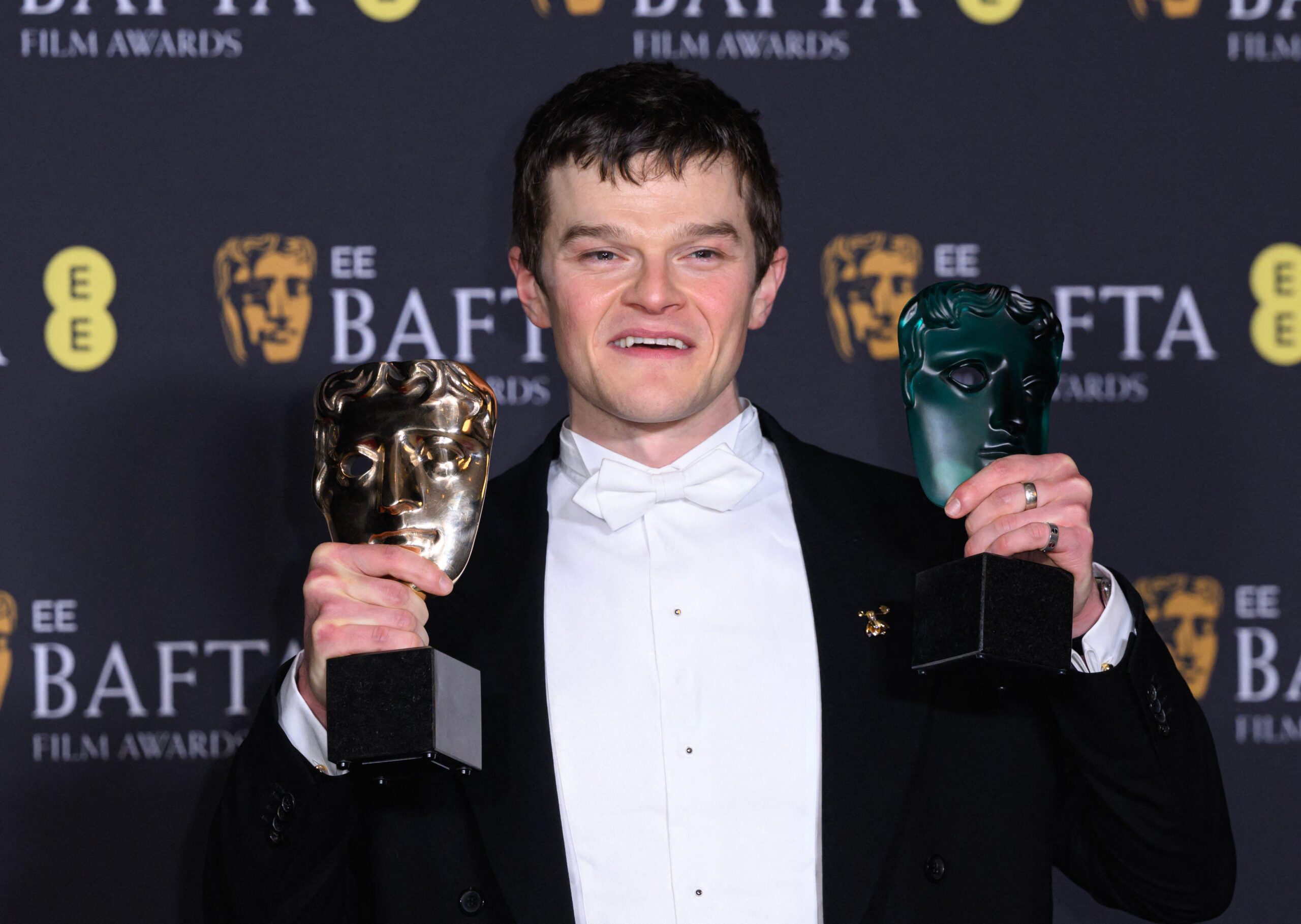
While actors get headlines, the BAFTA Craft Awards spotlight those behind the camera. For Adolescence, two names now stand out:
- Darius Kell, Director of Photography, pioneered the use of modified iPhone 17 Pro rigs for handheld scenes, allowing for mobility in tight spaces without sacrificing 4K resolution.
- Nina Patel, lead sound designer, recorded over 300 hours of ambient school noise—locker slams, hushed gossip, distant bells—to build the show’s immersive sonic backdrop.
These aren’t just technical achievements. They’re acts of empathy. The show’s creators spent months embedding with real students, teachers, and mental health professionals. That research didn’t just inform the script—it shaped the lighting temperatures (cooler in hallways to evoke anxiety), the lens choices (wider angles to emphasize isolation), and even the sound reverb (shorter echoes to mimic emotional suppression).
One standout example: the “lunchroom panic attack” scene in Episode 6. The camera never leaves the protagonist’s face, but the audio slowly distorts—conversations blur, cutlery clinks become metallic shrieks. The effect mirrors sensory overload during anxiety episodes. Viewers with lived experience have called it the most accurate portrayal of a panic attack on television.
Craft vs. Popularity: Can a Hit Show Also Be a Craft Masterpiece?
There’s a long-standing tension in awards culture: can something both dominate streaming charts and earn critical respect for its technical work? Adolescence answers with a resounding yes.
Netflix reports that Adolescence spent 47 consecutive days in the UK Top 10, with over 18 million global households watching in the first month. It’s not just popular—it’s culturally seismographic. Schools have incorporated episodes into PSHE curricula. Mental health charities cite its depiction of self-harm and depression as “transformative.”
But popularity doesn’t guarantee craft recognition. Many high-viewership shows rely on formulaic editing, predictable lighting setups, or sound mixing that prioritizes clarity over mood. Adolescence bucks that trend. Its success isn’t despite its craft choices—it’s because of them.
Compare it to Riot High, a similarly themed teen drama released the same year. Riot High used bright, saturated colors and pop-punk montages. It gained traction on TikTok but was dismissed by critics as “aesthetic over authenticity.” It received zero craft nominations.
The lesson? Audiences can sense when care is embedded in every frame. And when they do, the results aren’t just watched—they’re felt.
The Rise of the Anti-Reality: How Celebrity Traitors Rewrote the Rules
Reality television has long been treated as a craft afterthought. But Celebrity Traitors suggests a shift. By blending psychological suspense with cinematic production, it’s pushing the genre into new territory.
Key innovations behind its sound win:
- Directional whisper tracking: Using parabolic mics to capture off-camera conversations, then selectively including them in the mix to manipulate viewer perception.
- Silence as weapon: Entire segments air with no music or narration, forcing attention onto micro-expressions and breathing patterns.
- Binaural audio design: For Netflix’s spatial audio users, the traitor’s voice subtly shifts between ears, creating an uncanny sense of surveillance.
These aren’t just tricks. They’re narrative tools built by a team that treats reality TV not as disposable content but as a form of social experimentation.
Could this spark a new wave of “craft-conscious” reality formats? Possibly. Channel 4 has already announced The Mole: UK Reboot, explicitly citing Celebrity Traitors as an influence. Expect more genre-blurring, more audio innovation, and more craft recognition in the years ahead.
What These Wins Mean for British Television

The 2026 BAFTA Craft Awards didn’t just honor two shows. They signaled a broader evolution in what British television values.
First: emotional authenticity is now a technical discipline. It’s not enough to have a good script. The lighting must reflect a character’s internal state. The edit must mirror their thought process. The sound must carry subtext.
Second: genre boundaries are collapsing. A prestige drama and a reality show can both win for craft excellence—because they’re both using technical tools to deepen audience engagement.
Third: streaming platforms are redefining production standards. Netflix’s investment in Adolescence wasn’t just in writing or casting. It funded months of location research, custom lens development, and mental health consultants on set. That level of support is becoming the new benchmark.
For aspiring creators, the message is clear: no matter your budget or genre, craft excellence is achievable—if you prioritize intentionality over convention.
The Winners List: BAFTA Craft Awards 2026 Highlights
- Best Photography & Lighting: Fiction: Adolescence (Episode 5: “Detention”)
- Best Editing: Drama: Adolescence (Edited by Mara Fenwick)
- Best Sound: Factual & Entertainment: Celebrity Traitors (Series 2, Episodes 7–10)
- Best Production Design: Drama: The Essex Serpent (Honorable mention: Adolescence’s school set was shortlisted)
- Best Costume Design: Queen Charlotte: A Bridgerton Story
Adolescence was the only drama to win multiple craft awards in 2026—a feat not seen since Chernobyl in 2019.
Where to Watch and What’s Next
Both Adolescence and Celebrity Traitors are currently streaming on Netflix. Adolescence Season 3 is in pre-production, with filming set to begin in late 2026. Rumors suggest a time-jump, following the characters into early adulthood—a move that will demand new visual and sonic language.
Meanwhile, Celebrity Traitors has been greenlit for a third season, now with a dedicated sound innovation budget. Expect even more immersive audio experiments, possibly integrating viewer-responsive soundscapes based on real-time engagement data.
For creators, the takeaway is this: craft isn’t decoration. It’s the foundation. Whether you’re filming a quiet breakdown in a school hallway or orchestrating a celebrity betrayal in a Scottish castle, the details matter. And now, thanks to shows like these, they’re finally getting the recognition they deserve.
FAQ
Did Adolescence win any acting awards at the BAFTA Craft Awards? No—craft awards focus on technical and behind-the-scenes roles. Acting awards are presented at the main BAFTA Television Awards.
How is sound judged in a reality show like Celebrity Traitors? Judges evaluate creativity, clarity, and narrative impact. For Celebrity Traitors, the use of psychological audio cues and immersive design set it apart.
Is Adolescence based on a true story? While fictional, the series was developed in collaboration with youth mental health experts and draws from real testimonies collected from over 200 teenagers.
Why didn’t Adolescence win for writing or directing? Those categories fall under the main BAFTA Television Awards, not the Craft Awards. However, the show is a strong contender in both for 2026.
Can indie creators apply for BAFTA Craft Awards? Yes—entries are open to all UK-produced content, regardless of budget or broadcaster, as long as they meet submission criteria.
What camera did Adolescence use for its handheld scenes? A modified iPhone 17 Pro with external rig and ProRes recording, allowing for natural movement without sacrificing image quality.
Will there be a physical release of Adolescence’s soundtrack? Yes—composer Aris Thorne confirmed a vinyl and digital release for late 2026, featuring ambient tracks and isolated sound design elements.
FAQ
What should you look for in BAFTA Craft Awards: Adolescence Dominates with Double Win? Focus on relevance, practical value, and how well the solution matches real user intent.
Is BAFTA Craft Awards: Adolescence Dominates with Double Win suitable for beginners? That depends on the workflow, but a clear step-by-step approach usually makes it easier to start.
How do you compare options around BAFTA Craft Awards: Adolescence Dominates with Double Win? Compare features, trust signals, limitations, pricing, and ease of implementation.
What mistakes should you avoid? Avoid generic choices, weak validation, and decisions based only on marketing claims.
What is the next best step? Shortlist the most relevant options, validate them quickly, and refine from real-world results.