A worker skips a pre-shift safety briefing because it “always covers the same thing.” Two days later, they misuse a power tool and suffer an avoidable injury. This isn’t just bad luck — it’s a failure in safety communication. In the UK, this is exactly where the toolbox talk comes in: a short, focused safety meeting designed to prevent incidents before they happen.
But what is a toolbox talk UK professionals actually use, and why does it matter beyond compliance? Far from a box-ticking ritual, an effective toolbox talk is a frontline defence — a moment to align teams, clarify risks, and reinforce safe behaviour on dynamic worksites.
Let’s break down what a toolbox talk is in the UK context, why it’s legally and practically essential, and how to make it work in real-world conditions.
What Exactly Is a Toolbox Talk in the UK?
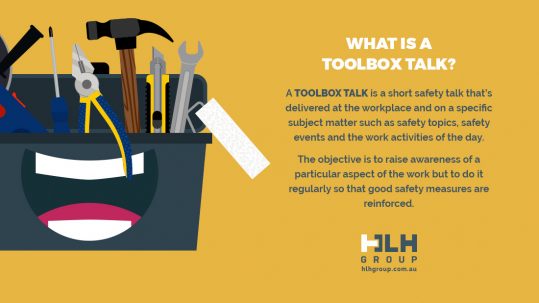
A toolbox talk is a brief, informal safety discussion held among a small team of workers, typically lasting 5 to 15 minutes. It happens at the worksite — often near equipment, materials, or the actual task location — and is led by a supervisor, site manager, or safety officer.
In the UK, these talks are a cornerstone of health and safety management, especially in high-risk sectors like construction, utilities, manufacturing, and maintenance. They’re not legally mandated by name, but they support compliance with the Health and Safety at Work etc. Act 1974 and the Management of Health and Safety at Work Regulations 1999, both of which require employers to ensure employee safety through information, instruction, and training.
Unlike lengthy safety training sessions, toolbox talks are timely and task-specific. For example, a team preparing to work at height might have a talk focused solely on harness checks and anchor points — not general safety policy.
Why Toolbox Talks Matter in the UK Work Environment
The UK construction industry alone accounts for around 20–25% of workplace fatalities annually, despite employing only about 4% of the workforce (HSE data). Many of these incidents stem from miscommunication, complacency, or unclear procedures — all gaps that toolbox talks are designed to close.
Here’s what makes them effective:
- They reinforce daily risk awareness. Workers often become desensitised to hazards through repetition. A focused talk resets attention.
- They promote engagement. Unlike top-down lectures, good toolbox talks encourage questions and sharing of on-the-ground concerns.
- They create a paper trail. Documented talks demonstrate due diligence during HSE inspections.
- They adapt to changing conditions. If weather, equipment, or personnel change, the talk adjusts accordingly.
For example, a scaffolding team might conduct a morning talk about wind speed limits. If a storm warning is issued mid-shift, a second talk can address suspending work — making safety dynamic, not static.
Common Topics for UK Toolbox Talks
Toolbox talks must be relevant to the immediate work. Generic “safety reminders” lose impact fast. In the UK, the most effective talks focus on tasks currently being performed or about to start.
Typical topics include:
- Working at height (e.g. ladder safety, edge protection)
- Manual handling techniques
- Use of personal protective equipment (PPE)
- Excavation and trench safety
- Electrical safety on site
- Hot works (welding, cutting)
- Hazard reporting procedures
- Site-specific risks (e.g. confined spaces, overhead power lines)
Each topic should address: - The hazard - Real-world consequences - Control measures in place - Workers’ responsibilities - Emergency procedures
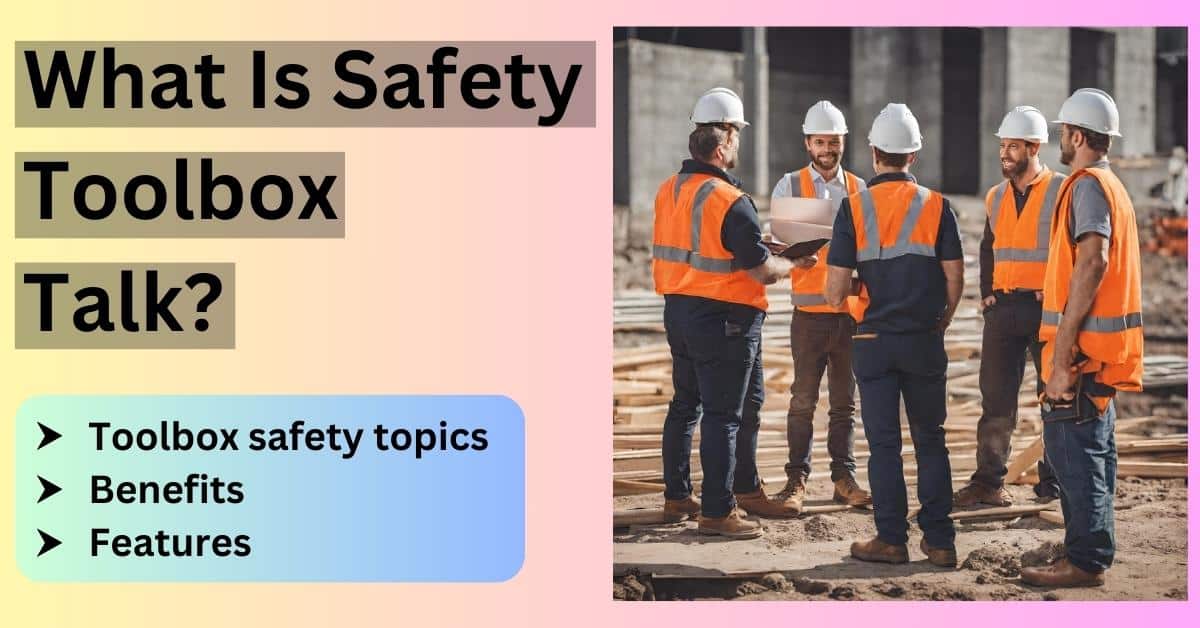
For instance, a talk on PPE should not just list required gear. It should explain why high-visibility clothing is mandatory near plant machinery and what happens when it’s not worn — perhaps referencing a local incident.
How to Run an Effective Toolbox Talk in the UK
Many companies fail not because they skip toolbox talks, but because they run them poorly. A monologue read from a script while workers stand in the rain achieves little.
Best practices for UK settings:
#### 1. Keep It Short and Focused Stick to one topic. A 10-minute talk on “correct lifting posture” is more effective than a 20-minute overview of “general safety.”
#### 2. Choose the Right Time and Place Hold the talk just before the task begins, ideally at the location where the work will happen. This allows for demonstration and visual reference.
#### 3. Encourage Interaction Ask questions: “Has anyone noticed damaged gloves recently?” or “What would you do if you saw a frayed cable?” This turns passive listeners into active participants.
#### 4. Involve the Team Rotate who leads talks. A labourer with 15 years of experience may offer practical insights a supervisor lacks.
#### 5. Document Clearly Sign-in sheets or digital logs should record: - Date and time - Topic - Attendees’ names - Supervisor’s signature - Any actions or follow-ups
This documentation is crucial during HSE audits. However, avoid turning the process into bureaucracy — the goal is safety, not paperwork.
#### 6. Use Visual Aids Photos of near-misses, equipment diagrams, or quick demo kits (e.g. showing how to fit a harness) boost retention.
Legal and Compliance Context in the UK
While there’s no legal requirement to conduct “toolbox talks” by name, they are widely accepted as a best practice for fulfilling broader duties under UK law.
Key regulations that toolbox talks support:
- Health and Safety at Work etc. Act 1974 – Requires employers to ensure, so far as reasonably practicable, the health, safety, and welfare of employees.
- Management of Health and Safety at Work Regulations 1999 – Mandates risk assessments and appropriate employee information and training.
- Construction (Design and Management) Regulations 2015 (CDM) – Places specific duties on clients, designers, and contractors to manage health and safety in construction projects.
If an incident occurs and no safety briefings were recorded, the HSE may view this as a failure to communicate risks — potentially leading to enforcement action.
“Toolbox talks aren’t legally required, but if you don’t do them and someone gets hurt, you’ll wish you had.” — HSE Inspector, Midlands Region
Common Mistakes to Avoid
Even well-intentioned teams undermine their own efforts. Watch out for these pitfalls:
- Repetition without relevance. Talking about fire safety every Monday, regardless of the day’s work, breeds disengagement.
- One-way delivery. A supervisor reading aloud while workers scroll phones defeats the purpose.
- No follow-up. If a worker reports a faulty ladder during a talk, but nothing is done, trust erodes.
- Poor attendance tracking. Missing signatures or illegible logs weaken legal defensibility.
- Ignoring subcontractors. All personnel on site — including temporary workers — must be included.
A real-world example: On a London construction site, a subcontractor wasn’t briefed on crane safety zones. They entered a restricted area and narrowly avoided being struck. The main contractor was fined — not because of the near-miss, but because the subcontractor wasn’t included in the daily toolbox talk.
Practical Example: A Toolbox Talk in Action
Site: Commercial roofing project, Manchester Team: 6 roofers, 1 supervisor Topic: Working at height in windy conditions
The supervisor gathers the team at 7:45 am beside the access ladder.
“Right, we’ve got a yellow weather alert for gusts up to 45 mph today. Our rule is: no work on the roof if sustained winds exceed 28 mph. Gusts are different — we’ll pause during peaks but monitor continuously. I’ve checked the anemometer; it’s currently 22 mph steady. We’re good to start, but if it hits 28, we come down — no exceptions. > Sarah, you’ve worked in high winds before — anything we should watch for?” > Sarah: “Yeah — the edge sheets can flap and distract. Keep eye contact with your partner and use tool lanyards. I lost a hammer once.” > Supervisor: “Exactly. And that’s why we tether everything today. I’ve checked your harnesses — all good. Any concerns before we start?”
The team signs the log, and the supervisor posts the wind-speed reading on the site noticeboard.
This talk was specific, interactive, and actionable — the hallmark of an effective UK toolbox talk.
Making Toolbox Talks Part of Your Safety Culture
The best companies don’t see toolbox talks as compliance tasks — they treat them as safety rituals. When done right, they build team cohesion, encourage accountability, and normalise safe behaviour.
To embed them: - Train supervisors in facilitation, not just content. - Review past incidents and near-misses to shape future topics. - Recognise teams that report hazards raised during talks. - Use digital tools (apps or tablets) for faster sign-ins and record-keeping.
Over time, workers start expecting the talk. It becomes as routine as wearing a hard hat.
Final Thoughts: Turning Briefings Into Protection
A toolbox talk in the UK is more than a meeting — it’s a moment of shared responsibility. It’s where theory meets practice, and where a few minutes of attention can prevent a lifetime of regret.
Don’t run them because the HSE might ask. Run them because your team’s safety depends on clear, consistent communication. Focus on relevance, encourage dialogue, document properly, and adapt to real conditions.
Start tomorrow: pick one high-risk task, gather your team at the point of work, and talk — not at them, but with them.
FAQ
What is the purpose of a toolbox talk in the UK? To deliver focused, timely safety information to workers before starting a task, reducing risks through awareness and engagement.
Who should lead a toolbox talk? Typically a supervisor, site manager, or safety officer — someone with authority and knowledge of the task.
How long should a toolbox talk last? Ideally 5 to 15 minutes — long enough to cover key points, short enough to maintain attention.
Do toolbox talks need to be recorded? Yes. Written or digital records (attendees, topic, date) are essential for compliance and incident investigations.
Can toolbox talks prevent accidents? They can’t guarantee prevention, but they significantly reduce risk by reinforcing procedures and identifying hazards early.
Should subcontractors attend toolbox talks? Yes. Anyone working on site must be included to ensure consistent safety standards.
Are toolbox talks a legal requirement in the UK? Not by name, but they support compliance with health and safety laws and are considered industry best practice.
FAQ
What should you look for in What Is a Toolbox Talk UK: A Practical Guide for Safety? Focus on relevance, practical value, and how well the solution matches real user intent.
Is What Is a Toolbox Talk UK: A Practical Guide for Safety suitable for beginners? That depends on the workflow, but a clear step-by-step approach usually makes it easier to start.
How do you compare options around What Is a Toolbox Talk UK: A Practical Guide for Safety? Compare features, trust signals, limitations, pricing, and ease of implementation.
What mistakes should you avoid? Avoid generic choices, weak validation, and decisions based only on marketing claims.
What is the next best step? Shortlist the most relevant options, validate them quickly, and refine from real-world results.