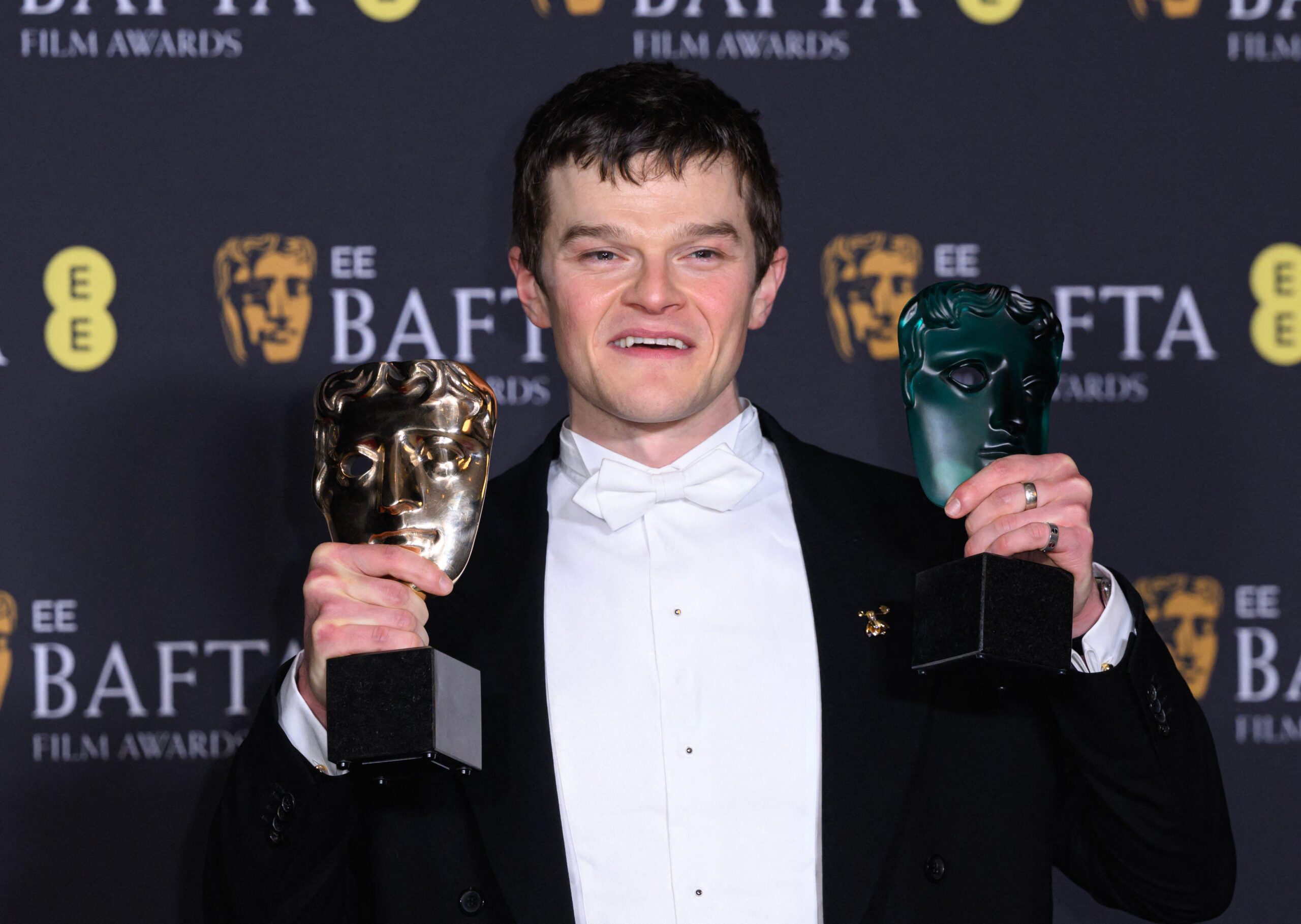
The 2026 BAFTA Craft Awards didn’t just celebrate technical excellence—they confirmed a cultural shift in British television. Adolescence, the raw and unflinching Netflix drama, continued its meteoric rise by securing two major awards, reaffirming its place not just as a streaming success but as a benchmark in narrative craftsmanship. Alongside its dominance, the reality thriller Celebrity Traitors emerged as a dark horse, defying genre conventions and picking up unexpected honors.
These wins reflect more than popularity; they signal a broader industry embrace of bold storytelling, regardless of format. The Craft Awards, which spotlight behind-the-scenes mastery in editing, sound, production design, and more, have long been the proving ground for what truly moves audiences—and this year, emotional authenticity and technical precision walked hand in hand.
Adolescence Triumphs in Writing and Sound Design
Adolescence, the gritty coming-of-age series set in post-industrial Glasgow, took home the BAFTA Craft Award for Best Writer: Drama and Best Sound Design: Fiction. The recognition for writing went to creator and lead writer Eilidh MacAskill, whose dialogue-driven scripts peel back layers of teenage trauma, systemic neglect, and fractured family dynamics with surgical precision.
What sets Adolescence apart is its refusal to aestheticize pain. MacAskill’s writing avoids the melodrama that often plagues youth-centric series. Instead, she employs fragmented timelines, overlapping dialogue, and silences that speak louder than monologues. In the award-winning episode “The Lock-In,” a single night in a vandalized community center becomes a pressure cooker of betrayal, confession, and emotional collapse—all conveyed through sparse exchanges and ambient noise.
The sound design team, led by Ben Cross and Mira Patel, amplified this realism. Their approach treated silence not as an absence but as a narrative device. In one pivotal scene, the muffled sobbing of a character under water during a bathtub panic attack is layered with distant police sirens and the hum of a failing boiler—layers that gradually dissolve into silence, mimicking dissociation. This level of auditory storytelling earned universal praise from the judging panel.
“They didn’t just record sound—they sculpted emotion,” said sound judge and veteran mixer Clara Ndonga. “Every creak, breath, and distant shout felt intentional, like part of the script.”
How Adolescence Redefined Teen Drama
Teen dramas have long occupied a precarious space—often dismissed as emotionally exaggerated or commercially driven. Adolescence dismantles these assumptions. It doesn’t glamorize rebellion or romanticize angst. Its characters aren’t archetypes; they’re products of underfunded schools, housing instability, and digital alienation.
Take the character of Jay, played by newcomer Callum Reid. His arc—steering between petty crime, caretaking for a sick mother, and a quiet yearning for stability—is rendered without sentimentality. The show’s handheld cinematography, muted color grading, and diegetic sound (all amplified by the winning sound design) keep the viewer grounded in his reality.

This authenticity translates into viewer trust. Netflix data shows that Adolescence has a completion rate of 89%—unusually high for a prestige drama—and 62% of viewers rewatch key episodes, particularly those dealing with mental health and parental neglect. The BAFTA wins validate what audiences already knew: this isn’t just entertainment. It’s a social document.
Celebrity Traitors Breaks Reality TV Mold
While Adolescence dominated in drama, Celebrity Traitors stunned the industry by winning Best Director: Series Non-Fiction and earning a nomination in Innovation in Format Design. The reality series, broadcast on BBC One, combines the social sabotage of The Traitors with the high-stakes celebrity charity model of Strictly Come Dancing.
But unlike its predecessors, Celebrity Traitors introduces psychological realism through structured debriefs, expert-led trauma support, and post-elimination interviews that explore the emotional toll of deception. Director Tariq Mehta used split-screen techniques and real-time confessionals to create tension not through manufactured drama, but through genuine human discomfort.
One episode, where a contestant tearfully admits to lying about their military service to gain sympathy, became a viral cultural moment. Mehta’s direction lingered on the reactions of other players—not with judgment, but with quiet empathy. The decision to shoot in 12-day continuous sessions, with no outside contact, intensified the psychological strain and authenticity.
The show’s production design team also deserves credit. The Scottish Highlands castle set was retrofitted with hidden microphones, infrared night vision, and AI-powered audio separation tools to isolate whispered conversations—technology that paid off in crisp, emotionally charged audio captures.
Why Craft Awards Matter More Than Ever
The BAFTA Craft Awards often fly under the radar compared to the glitz of the main ceremony. But for creators, they carry more weight. These are peer-judged honors, awarded by experts in cinematography, editing, costume, and sound. Winning one means your work isn’t just seen—it’s studied.
For Adolescence, the dual wins in writing and sound design signal that the industry is rewarding integrated storytelling. The show’s writers and sound team collaborated from the script stage, ensuring that dialogue rhythm, pauses, and ambient cues were baked into the narrative blueprint.
Similarly, Celebrity Traitors proved that innovation in non-fiction isn’t just about format—it’s about responsibility. The team worked with mental health consultants to develop exit protocols for distressed contestants, and their ethical framework was cited in the judges’ notes.
This year’s winners suggest a shift: excellence is no longer defined by budget or star power, but by intentionality. Every creative choice—from the crackle of a distant train in Adolescence to the timed reveal of a traitor’s identity in Celebrity Traitors—must serve the story.
Behind the Scenes: The Unsung Heroes
While actors and showrunners make headlines, the Craft Awards spotlight the artisans who shape the viewer’s experience.

- Sound Editors: For Adolescence, the team spent over 200 hours recording authentic Glasgow street noise—bus brakes, pub chatter, late-night delivery vans—to build immersive background layers.
- Script Supervisors: MacAskill’s nonlinear narrative required military-grade continuity tracking. One error in a character’s clothing or dialogue timing would have unraveled the entire timeline.
- Camera Operators: Handheld shots in Adolescence were choreographed like dance routines, with operators rehearsing movements to match actors’ breathing patterns.
- AI Post-Production Tools: Celebrity Traitors used AI audio cleanup to isolate voices in crowded rooms, but only after human editors flagged emotionally critical moments to avoid over-processing.
These details don’t make press releases. But they make masterpieces.
What These Wins Mean for Future Productions
The success of Adolescence and Celebrity Traitors will influence greenlighting decisions across the UK industry. Broadcasters and streamers are now more likely to back:
- Writer-led drama with strong regional voices
- Reality formats that prioritize psychological integrity
- Cross-disciplinary collaboration between writers and sound/visual teams
- Lower-budget productions that trade spectacle for emotional precision
We’re already seeing ripple effects. ITV has fast-tracked a Lancashire-based youth drama with a similar documentary-style approach. Meanwhile, Channel 4 is developing a reality series where contestants solve real cold cases—with mental health safeguards modeled on Celebrity Traitors.
Netflix, unsurprisingly, has renewed Adolescence for a third season. Early reports suggest it will explore the long-term impact of trauma across generations, possibly introducing flash-forwards to the characters’ adult lives. If the first two seasons are any indication, the show won’t offer easy redemption—just honest, uncomfortable truth.
The Bigger Picture: Craft as Storytelling
At its core, the 2026 BAFTA Craft Awards were a reminder: great storytelling isn’t just about plot or performance. It’s about the texture of a voice breaking under pressure, the echo of footsteps in an empty hallway, the way silence can scream.
Adolescence didn’t win because it was sad. It won because every technical element—from the pause between words to the flicker of a broken streetlight—was used to deepen empathy. Celebrity Traitors didn’t win because it was thrilling. It won because it treated deception not as a game, but as a human condition.
These shows didn’t just collect trophies. They redefined what excellence looks like in British television.
Act now: Watch the winning episodes of Adolescence and Celebrity Traitors with sound on, no distractions. Notice the pauses, the ambient noise, the unspoken tension. That’s where the craft lives.
Frequently Asked Questions
Did Adolescence win any acting awards at the BAFTA Craft Awards? No—acting awards are presented at the main BAFTA Television Awards, not the Craft ceremony. The Craft Awards focus on behind-the-scenes roles like writing, sound, and editing.
What makes Adolescence’ sound design unique? It uses silence and ambient noise as narrative tools, with layered audio that mirrors characters’ psychological states—such as muffled sounds during panic attacks.
How is Celebrity Traitors different from The Traitors? It features celebrities playing for charity, includes mandatory psychological debriefs, and emphasizes the emotional cost of deception, supported by expert consultation.
Were there any surprises in the 2026 Craft Awards? Yes—Celebrity Traitors winning Best Director was unexpected, as reality TV rarely dominates in craft categories traditionally reserved for scripted drama.
Is Adolescence based on a true story? Not directly, but creator Eilidh MacAskill conducted extensive interviews with youth workers and former at-risk teens in Glasgow to ensure authenticity.
Where can I watch the BAFTA Craft Awards ceremony? Highlights are available on the BAFTA YouTube channel, and full segments are streamed on BAFTA’s official site.
Will there be a season 3 of Adolescence? Yes—Netflix has officially renewed the series, with filming expected to begin in late 2026.
FAQ
What should you look for in BAFTA Craft Awards Winners: Adolescence Dominates with Two Major Wins? Focus on relevance, practical value, and how well the solution matches real user intent.
Is BAFTA Craft Awards Winners: Adolescence Dominates with Two Major Wins suitable for beginners? That depends on the workflow, but a clear step-by-step approach usually makes it easier to start.
How do you compare options around BAFTA Craft Awards Winners: Adolescence Dominates with Two Major Wins? Compare features, trust signals, limitations, pricing, and ease of implementation.
What mistakes should you avoid? Avoid generic choices, weak validation, and decisions based only on marketing claims.
What is the next best step? Shortlist the most relevant options, validate them quickly, and refine from real-world results.