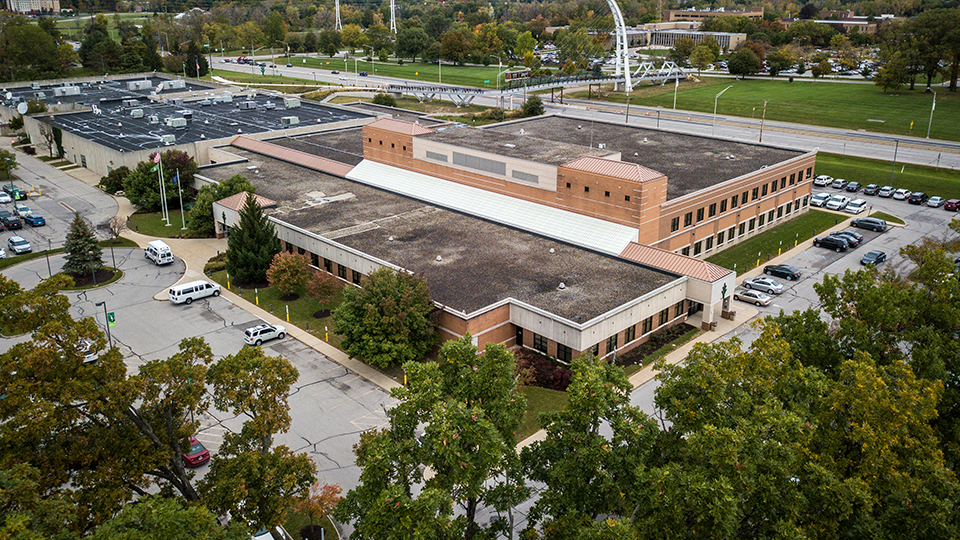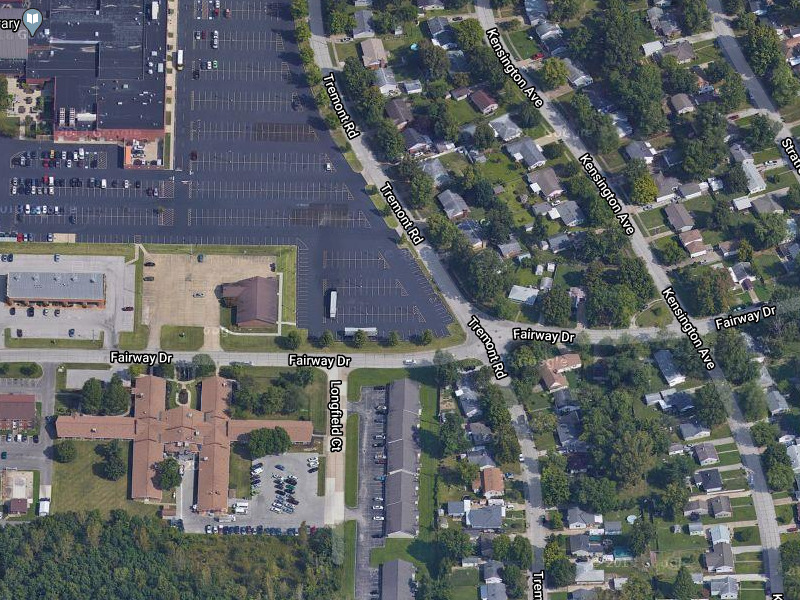
For many Hoosiers, higher education feels out of reach—too expensive, too time-consuming, or too disconnected from real jobs. Ivy Tech Community College Indiana changes that. As the state’s largest public community college, it offers a practical, accessible bridge between high school and meaningful careers—or a cost-effective starting point for a four-year degree. With more than 40 campuses across Indiana and robust online programs, Ivy Tech meets students where they are, preparing them for in-demand fields without the burden of crushing debt.
What Ivy Tech Community College Indiana Offers
Ivy Tech isn’t just another community college. It’s a statewide institution built to align with Indiana’s workforce needs. Whether you’re a recent high school graduate, an adult learner returning to school, or someone seeking a career change, Ivy Tech provides structured pathways in over 70 academic programs.
These programs fall into key areas: - Health Sciences – Nursing, radiologic technology, dental hygiene, and medical coding - Advanced Manufacturing & Skilled Trades – Welding, automation, robotics, and CNC machining - Information Technology – Cybersecurity, network administration, and software development - Business & Public Services – Accounting, criminal justice, and human services - Liberal Arts & Transfer Programs – Designed to transfer seamlessly to Indiana’s public universities
Each program emphasizes hands-on learning. For example, nursing students gain clinical experience at local hospitals, while IT students work in simulated cyber labs. This applied approach ensures graduates aren’t just theoretically prepared—they’re ready to contribute from day one.
Why Choose Ivy Tech Over Other Options? Many Indiana students assume four-year colleges are their only path to stability. But that model often leads to overspending on degrees that don’t guarantee employment. Ivy Tech offers a smarter alternative: faster completion, lower cost, and direct alignment with employer demand.
Consider this: the average annual tuition at Ivy Tech is less than $4,000 for in-state students—less than a third of what public universities charge. Add in Indiana’s 21st Century Scholars program, federal aid, and Ivy Tech’s internal scholarships, and many students pay little to nothing out of pocket.
More importantly, Ivy Tech’s job placement rates are strong. The college reports that over 80% of graduates either land jobs in their field or continue their education. A 2023 workforce outcomes study showed that graduates in advanced manufacturing earn an average starting salary of $48,000—competitive with many bachelor’s degree roles.
Seamless Transfer to Four-Year Universities
One of the biggest misconceptions about community colleges is that they’re a dead end. At Ivy Tech, the opposite is true. The college has formal articulation agreements with all of Indiana’s public universities, including Indiana University, Purdue, and Indiana State.
Known as the Transfer General Education Core (TGE), this system ensures that credits earned at Ivy Tech count toward bachelor’s degrees at partner schools. Students pursuing a business degree, for instance, can complete their first two years at Ivy Tech for roughly half the cost, then transfer to IU Kelley School of Business.
Practical tip: Work with an Ivy Tech academic advisor early to map your transfer path. Some programs have specific course sequences that must be followed to maintain eligibility.
Campus and Online Learning: Flexibility That Works
Ivy Tech operates physical campuses in cities and towns across Indiana—from Indianapolis and Fort Wayne to smaller communities like Bedford and Jasper. Each campus offers labs, tutoring, career counseling, and student support services.
But physical presence isn’t required. Ivy Tech has invested heavily in online education, offering fully remote programs in fields like business, IT, and general studies. These online courses are taught by the same faculty and follow the same rigorous standards.
For working adults, the flexibility is transformative. Take Sarah from Kokomo, a single mother who worked nights at a hospital while earning her associate degree in health information technology online. She graduated in two years, landed a data management role at a regional clinic, and now plans to pursue a bachelor’s degree part-time—all without quitting her job.
Career-Focused Programs
with Industry Ties
Ivy Tech doesn’t design programs in a vacuum. It works directly with Indiana employers to ensure curriculum relevance. Advisory boards made up of local business leaders regularly review course content to keep it aligned with job market needs.
For example, the Precision Machining Technology program in Columbus was developed in partnership with Cummins Inc. Students train on the same equipment used in Cummins’ facilities and often receive job offers before graduation.
Other notable industry partnerships include: - Rooney Building Company – for construction management - Eli Lilly and Company – for biotechnology and pharmaceutical training - HonorBank – for cybersecurity and IT internships
These relationships provide students with internships, mentorships, and direct hiring pipelines—turning education into employment.
Support Services That Keep Students on Track
Starting college is one thing. Finishing it is another. Ivy Tech understands that many of its students face real-life challenges—childcare, transportation, food insecurity, or academic gaps. That’s why it offers comprehensive support services designed to increase retention and completion.
Key resources include: - Academic coaching – Personalized guidance on course selection, time management, and study strategies - Tutoring centers – Free in-person and online tutoring in math, writing, and science - Child care assistance – Partnerships with local providers to help student parents - Career services – Resume workshops, mock interviews, and job fairs with Indiana employers - TRIO Student Support Services – Extra help for first-generation, low-income, or disabled students
One common mistake students make is waiting until they’re struggling to seek help. Ivy Tech encourages students to connect with support teams from day one—ideally during orientation.
How to Apply and What to Expect
- Applying to Ivy Tech is straightforward:
- Submit an online application – No application fee
- Request transcripts – From high school or previous colleges
- Take the placement test or submit ACT/SAT scores – Or use high school GPA for placement
- Complete the FAFSA – To determine financial aid eligibility
- Meet with an academic advisor – To finalize course registration
Admissions are open year-round, with multiple start dates per semester. This flexibility is especially helpful for non-traditional students who can’t wait for a fall start.
New students often underestimate the importance of academic advising. A 2022 internal review found that students who met with an advisor in their first month were 35% more likely to complete their first semester.
Real-World Success: Alumni Making an Impact
Ivy Tech’s value isn’t just in enrollment numbers—it’s in outcomes. Graduates are working across Indiana in roles that support families and drive local economies.
- James R., Evansville – Completed the Electrical Technology program and now works as a maintenance technician at a steel plant earning $60,000 annually.
- Maria T., Indianapolis – Earned her Associate of Science in Nursing and now works in the ICU at Eskenazi Health. She plans to pursue a BSN through an online RN-to-BSN program.
- Devon L., Lafayette – Bootstrapped a career in IT after completing the Cybersecurity certificate. Hired by a local bank within three months of graduation.
These aren’t exceptions. They reflect a pattern of upward mobility made possible by accessible, relevant education.
Ivy Tech Community College Indiana isn’t about prestige or campus aesthetics. It’s about practical results—getting trained, getting hired, and building a future without drowning in debt. If you’re looking for a clear, affordable path to a career in healthcare, technology, manufacturing, or business, start here. Enroll in a program, connect with an advisor, and take your first step toward a better-paying, more stable job—on your terms.
FAQ
Can I transfer from Ivy Tech to a four-year university? Yes. Ivy Tech has articulation agreements with all Indiana public universities. Completing the Transfer General Education Core ensures your credits transfer smoothly.
How much does Ivy Tech cost per semester? Tuition varies by program and credit load, but full-time in-state students typically pay between $3,500 and $4,500 per year.
Are Ivy Tech online classes accredited? Yes. All Ivy Tech programs, including online courses, are accredited by the Higher Learning Commission.
Does Ivy Tech offer career placement help? Yes. The college provides resume reviews, job fairs, internship coordination, and direct employer connections through its career services team.
What is the nursing program acceptance rate? Admission to Ivy Tech’s nursing programs is competitive. Requirements include prerequisite courses, background checks, and minimum GPA. Acceptance rates vary by campus.
Can I get financial aid at Ivy Tech? Yes. Most students qualify for some form of aid, including federal grants, loans, work-study, and Indiana-specific programs like 21st Century Scholars.
Do I need SAT/ACT scores to enroll? No. Ivy Tech uses multiple measures for placement, including high school GPA and completion of core courses. Standardized test scores are optional.
FAQ
What should you look for in Ivy Tech Community College Indiana: Your Path to Career Success? Focus on relevance, practical value, and how well the solution matches real user intent.
Is Ivy Tech Community College Indiana: Your Path to Career Success suitable for beginners? That depends on the workflow, but a clear step-by-step approach usually makes it easier to start.
How do you compare options around Ivy Tech Community College Indiana: Your Path to Career Success? Compare features, trust signals, limitations, pricing, and ease of implementation.
What mistakes should you avoid? Avoid generic choices, weak validation, and decisions based only on marketing claims.
What is the next best step? Shortlist the most relevant options, validate them quickly, and refine from real-world results.