When Nigerian gospel singer Jaga publicly rejected former Vice President Yemi Osinbajo’s stance on the prosperity gospel, it wasn’t just another celebrity opinion—it was a theological flashpoint in a deeply religious society. Osinbajo, a trained lawyer and ordained pastor, had long voiced skepticism about prosperity theology, calling it a distortion of biblical teaching. Jaga, known for tracks that celebrate divine favor and financial breakthrough, pushed back sharply. What followed was a national conversation about scripture, spiritual authority, and the role of wealth in Christian life.
This clash is not isolated. It reflects a wider tension in African Christianity between traditional evangelical doctrine and the growing appeal of prosperity preaching. Jaga’s rebuttal wasn’t just personal—it was symbolic of a broader cultural shift.
The Origins of the Conflict
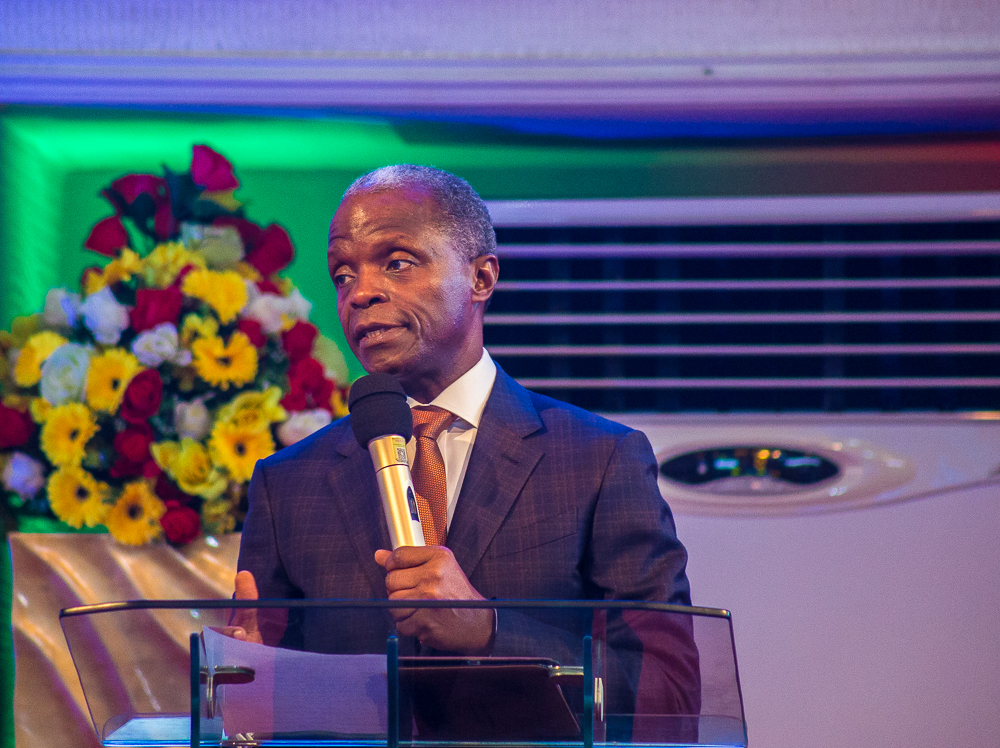
The tension began when Osinbajo, in a sermon delivered at a Lagos church, questioned the scriptural foundation of the prosperity gospel. He argued that equating faith with financial gain risks reducing Christianity to a transactional enterprise. “When we preach that God must make you rich as proof of faith,” he said, “we misrepresent the character of God and the cost of discipleship.”
For many, the remarks were balanced and biblically sound. But for Jaga, they struck a nerve. In a widely shared Instagram post, the singer responded: “Pastor Osinbajo, with all due respect, you don’t understand the anointing that comes with divine abundance. I’ve seen God turn my lack into luxury. That’s not greed—that’s grace.”
Jaga didn’t stop there. In interviews and live performances, he doubled down, framing Osinbajo’s views as elitist and disconnected from the lived reality of ordinary believers who pray for jobs, healing, and economic relief.
Why Jaga’s Testimony Resonates
Jaga’s public testimony is central to his credibility. He often recounts how, as a struggling musician in Port Harcourt, he survived on prayer and a single meal a day. His breakthrough came, he says, after a night of fasting and intense worship when he claims God gave him a vision of success. Within months, his song “Osemoye” went viral, leading to endorsements, sold-out concerts, and financial stability.
For his audience, this isn’t just success—it’s divine validation. When Jaga sings about prosperity, it’s not theory. It’s testimony.
“I was in debt,” he said during a radio appearance. “I couldn’t afford studio time. Then I sang about breakthrough—and God opened doors I didn’t knock on. So when someone tells me that asking God for provision is unbiblical, it feels like they’re calling my miracle a mistake.”
This narrative—personal hardship transformed by divine intervention—resonates across Nigeria, where unemployment and inflation make spiritual hope a daily necessity. For millions, the prosperity gospel isn’t about luxury; it’s about survival.
Osinbajo’s Theological Position: Doctrine Over Desire
Osinbajo’s critique isn’t new. It aligns with a long line of Christian theologians—from John Stott to Tim Keller—who warn against conflating faith with financial outcome. His position rests on three key arguments:
- The Cross-Centered Gospel: True Christianity, he argues, centers on redemption through Christ’s sacrifice, not material gain.
- Misuse of Scripture: Verses like Malachi 3:10 (“Bring the whole tithe… and test me”) are often taken out of context to promise wealth.
- Spiritual Harm: When miracles don’t come, believers may blame themselves, leading to guilt or crisis of faith.
Osinbajo also points to Jesus’ life—marked by poverty and suffering—as a counter-model to prosperity preaching. “Christ didn’t come to make us rich,” he stated. “He came to make us righteous.”
Still, his delivery matters. As a former vice president and member of the elite, some see his words as detached from the struggles of the average churchgoer. Critics argue that while Osinbajo preaches humility, he lives in a gated estate and travels in luxury—a dissonance that undermines his message.
The Cultural Divide in Nigerian Christianity
The Jaga-Osinbajo debate reveals a deeper cultural rift in Nigerian Christianity. On one side are those who value doctrinal precision, often educated in seminaries or Western theological traditions. On the other are millions who experience faith through signs, wonders, and tangible blessings.
Prosperity preaching thrives in environments of uncertainty. In Nigeria, where 63% of the population lives below the poverty line (World Bank, 2023), the promise of divine provision isn’t just attractive—it’s urgent. Pentecostal churches that emphasize miracles, healing, and financial breakthrough attract massive followings.
Jaga, as both artist and believer, occupies this space. His music doesn’t just reflect the prosperity gospel—it amplifies it. Songs like “Break Every Chain” and “Blessed Indeed” blend worship with declarations of economic victory. For his fans, this isn’t heresy. It’s hope.
Is the Prosperity Gospel Biblical?
The question isn’t whether God provides—scripture affirms that repeatedly (Philippians 4:19). The real issue is how and why.
Supporters of prosperity theology cite verses like: - 3 John 1:2: “I pray that you may prosper in all things and be in health.” - Deuteronomy 28: God’s blessings on obedience. - Mark 10:29–30: Jesus’ promise of “a hundred times more” for those who follow him.
Critics, including Osinbajo, argue these are often misapplied. They point out: - The “prosperity” in 3 John likely refers to spiritual well-being. - Deuteronomy 28 was a covenantal promise to ancient Israel, not a universal formula. - Jesus’ “hundredfold” included persecution—not just wealth.
The danger, they say, is turning faith into a vending machine: insert prayer, receive blessing. When the machine fails, faith collapses.
Jaga acknowledges the risks but insists the solution isn’t to reject prosperity—it’s to redefine it. “Prosperity isn’t just money,” he says. “It’s peace. It’s healing. It’s favor. I’ve seen God do all three.”
Real-World Impacts: When Theology Meets Reality
The debate isn’t academic. It affects how churches operate, how believers give, and how people interpret suffering.
Case 1: The Widow’s Donation A woman in Benin City sold her only goat to tithe at a crusade, believing it would trigger a financial miracle. Months passed. No breakthrough came. She now struggles to feed her children. Was she misguided? Or was she acting in sincere faith?
Case 2: The Pastor’s Mansion A megachurch pastor drives a Rolls-Royce and lives in a $2 million home, funded by donations from low-income members. Critics call it exploitation. Supporters say it’s evidence of God’s blessing.
Case 3: Jaga’s Outreach Despite his wealth, Jaga funds a children’s home in Warri and sponsors medical outreach programs. “God didn’t bless me to hoard,” he says. “He blessed me to give.”
These examples show that prosperity theology isn’t monolithic. Its impact depends on how it’s taught and practiced.
Finding Balance: Neither Extreme Works
Blind adherence to prosperity preaching can breed greed, false expectations, and spiritual abuse. But outright dismissal can alienate believers for whom divine provision is a lived reality.
A balanced approach might include: - Teaching stewardship, not just acquisition. - Emphasizing contentment (Hebrews 13:5) alongside faith for provision. - Recognizing that suffering is part of the Christian journey (John 16:33). - Celebrating miracles without making them a litmus test for faith.
Jaga has begun shifting his message. Recent sermons focus more on gratitude and responsibility than on “naming and claiming” wealth. “I still believe God wants us to prosper,” he said. “But I also know that poverty of soul is worse than poverty of wallet.”
Osinbajo, too, could bridge the gap by acknowledging the legitimacy of believers’ experiences—even if he disagrees with their interpretation.
The Bigger Picture: Faith, Power, and Voice
At its core, this debate is about authority—who gets to define truth in the church. Osinbajo speaks from academic and institutional power. Jaga speaks from personal experience and popular influence.
In a society where religion and culture are tightly interwoven, both voices matter. Dismissing either risks deepening division.
Moreover, the rise of gospel artists as theological commentators reflects a shift in how Nigerians consume faith. Music, not just sermons, shapes belief. Artists like Jaga, Sinach, and Nathaniel Bassey wield spiritual influence comparable to pastors.
This demands greater responsibility. With influence comes the duty to teach sound doctrine—not just sing catchy choruses.
Conclusion: Truth Beyond the Headlines
The clash between Jaga and Osinbajo isn’t just about prosperity gospel—it’s about how faith is lived, interpreted, and defended in modern Nigeria. One side warns of doctrine diluted by desire. The other defends divine abundance as a real, transformative force.
The path forward isn’t polarization. It’s dialogue. It’s recognizing that God can bless materially without making wealth a measure of faith. It’s honoring testimony without turning miracles into mandates.
For believers caught in the middle, the call is to test everything (1 Thessalonians 5:21), hold fast to what is good, and remember that the greatest blessing isn’t a bank account—it’s the presence of God.
If you’re moved by stories of breakthrough but wary of empty promises, start here: examine the fruit. Does the teaching lead to generosity, humility, and love? Or to pressure, comparison, and debt? Let that be your compass.
FAQ
Did Jaga directly accuse Osinbajo of being unspiritual? No. Jaga criticized Osinbajo’s views but maintained respect, addressing him as “Pastor” and not attacking his character.
Is the prosperity gospel banned in Nigeria? No. It’s widely practiced, though some church leaders and theologians publicly oppose it.
What Bible verses do prosperity preachers commonly use? Malachi 3:10, 3 John 1:2, Deuteronomy 28, and Mark 10:29–30 are frequently cited.
Has Osinbajo spoken on this topic before? Yes. He has expressed concerns about prosperity theology in sermons and interviews over several years.
Does Jaga still preach prosperity in his music? Yes, but with growing emphasis on gratitude, purpose, and social responsibility.
Are other Nigerian gospel artists taking sides? Some support Jaga; others back Osinbajo. The issue has divided the gospel music community.
Can prosperity and humility coexist in Christianity? Many believe they can—when wealth is seen as a tool for service, not a symbol of status.
FAQ
What should you look for in Gospel Singer Jaga Rebukes Osinbajo’s Take on Prosperity Gospel? Focus on relevance, practical value, and how well the solution matches real user intent.
Is Gospel Singer Jaga Rebukes Osinbajo’s Take on Prosperity Gospel suitable for beginners? That depends on the workflow, but a clear step-by-step approach usually makes it easier to start.
How do you compare options around Gospel Singer Jaga Rebukes Osinbajo’s Take on Prosperity Gospel? Compare features, trust signals, limitations, pricing, and ease of implementation.
What mistakes should you avoid? Avoid generic choices, weak validation, and decisions based only on marketing claims.
What is the next best step? Shortlist the most relevant options, validate them quickly, and refine from real-world results.