When a My Hero Academia English dub voice actor and active streamer issued a tearful apology for cheating on his girlfriend, few expected the fallout to spiral as fast or as publicly as it did. What began as a personal plea for forgiveness quickly became a viral reckoning—one that exposed the fragile line between online persona and private behavior. Fans, stream viewers, and industry observers watched in real time as the apology unraveled under scrutiny, revealing deeper issues around accountability, emotional manipulation, and the performativity of regret in digital spaces.
This isn’t just another celebrity scandal. It’s a case study in how not to apologize—and how the anime and streaming communities react when their trusted figures fail them.
Who Is the Voice Actor at the Center of the Scandal?
The actor, known for voicing a recurring hero in the My Hero Academia English dub, has maintained a prominent presence both in the voiceover industry and on streaming platforms like Twitch and YouTube. With over 200,000 followers across social media, he cultivated an image of charm, humility, and relatability—often sharing behind-the-scenes insights from recording sessions, interacting with fans during live streams, and posting personal vlogs about life as a voice performer.
His role in My Hero Academia, while not among the main cast, was recognizable enough to make him a fan favorite. Combined with his streaming persona—a mix of dry humor, self-deprecation, and “just a guy who loves anime” authenticity—he built a loyal community that blurred the lines between performer and peer.
That connection made the cheating revelation especially jarring.
The Apology Video: What He Said—and Why It Backfired
The actor released a 12-minute statement on YouTube titled “I Need to Be Honest With You.” In it, he confessed to being emotionally and physically unfaithful during a six-month period while in a committed relationship. He admitted to lying repeatedly, minimizing concerns when confronted, and ultimately being “selfish and cowardly.”
On the surface, the apology followed standard structure: admission of fault, expression of remorse, request for forgiveness. But almost immediately, viewers noticed red flags:
- Overuse of victim language: Phrases like “I was overwhelmed” and “I didn’t know how to cope” shifted blame toward external stress rather than personal responsibility.
- Deflection via career stress: He cited long hours in the dub booth and touring with anime conventions as contributing factors—implying the industry enabled his behavior.
- Focus on personal pain: The statement spent more time describing his guilt and sleepless nights than the impact on his partner.
- No contact with the affected party: His ex-girlfriend had not been consulted, and she later confirmed she found out about the video the same time as the public.
One fan commented: “He cried for 10 minutes about how hard it was for him to lie, but never once said what it must’ve been like for her to live inside that lie.”
The video amassed over 500,000 views in 48 hours—more than triple his usual upload traffic—but over 70% of the likes were dislikes.
Key Mistakes in the Apology Delivery

| Mistake | Why It Harmed Credibility |
|---|---|
| No prior communication with the victim | Made the apology feel like performance, not reconciliation |
| Blaming work stress | Suggested the behavior was inevitable, not a choice |
| Emotional manipulation through tears | Viewers perceived it as tactic, not sincerity |
| Requesting forgiveness too early | Came before any real accountability or change |
| Vague promises of “growth” | Lacked specific steps or timeline |
Fan and Community Reaction: From Disappointment to Organized Pushback
Initially, responses were split. Some fans offered sympathy, citing the pressures of online fame. Others called for accountability, sharing testimonials from people who’d interacted with him at cons or on Discord servers.
Within days, a coordinated backlash emerged. Reddit threads, X (formerly Twitter) threads, and TikTok videos dissected his past behavior—highlighting patterns of boundary-pushing with female fans, flirtatious banter during streams framed as “just jokes,” and a habit of downplaying jealousy in relationships during Q&As.
A former acquaintance posted a now-viral thread detailing a 2022 incident where the actor allegedly flirted with her while in a relationship, saying, “He told me, ‘I’m not happy right now, but I can’t do anything about it.’ That should’ve been a red flag. It wasn’t directed at me—it should’ve been directed at his partner.”
Another streamer, who had previously collaborated with him, publicly cut ties: “I can’t support someone who treats emotional labor like content.”
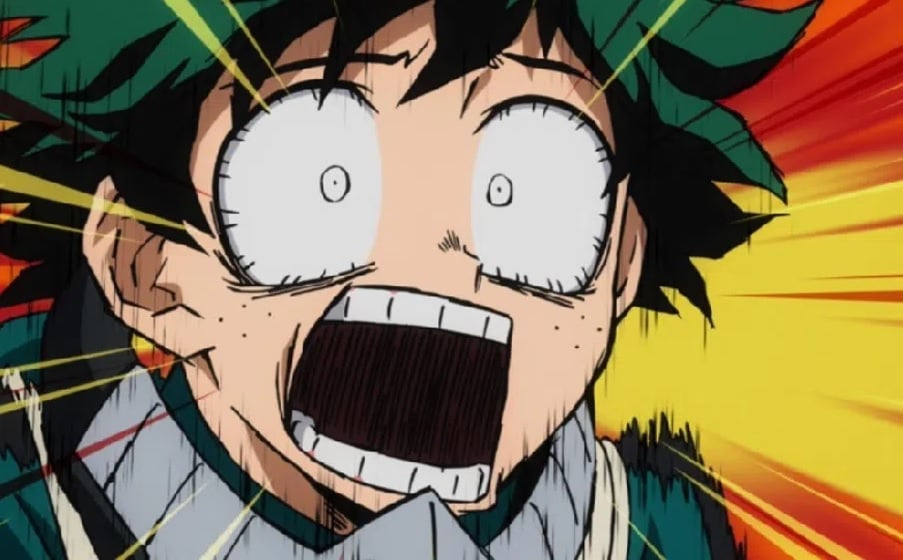
The My Hero Academia fanbase, already sensitive to issues of integrity due to the show’s themes of heroism and responsibility, was especially critical. Memes circulated comparing the actor to Shigaraki—“a villain who doesn’t realize he’s the problem”—and edits of Deku saying “You’re not a hero” over footage of the apology.
Industry Implications: Can You Separate Art from Artist?
The scandal reignited a long-standing debate in anime and gaming communities: should voice actors be held to higher moral standards?
Unlike film or TV stars, voice actors often rely on fan intimacy. They attend cons, host streams, sell merch, and build parasocial relationships that feel personal. When one of those figures violates trust, the betrayal cuts deeper.
Some argue that performance should be judged independently. “He voices a minor character,” said one industry blogger. “People should keep watching if they love the show. His personal life doesn’t change the lines he recorded.”
But others counter that voice acting isn’t passive labor. These performers shape how audiences connect with characters. When a beloved hero’s voice is tied to deception or emotional harm, the association lingers.
Streaming adds another layer. Unlike traditional voice work, streaming is real-time, unscripted, and personal. When someone builds a brand on authenticity, cheating—not the act itself, but the gap between image and reality—feels like a breach of contract.
Why This Apology Failed Where Others Succeeded
Compare this case to other public apologies from streamers or performers who’ve faced similar scandals. In 2021, a popular VTuber admitted to inappropriate messages and immediately stepped down from content creation for six months. He donated to mental health charities, underwent counseling, and only returned after publishing a therapist-reviewed accountability statement.
Another voice actor, accused of manipulation in 2023, issued a short, direct apology: “I hurt someone. I take full responsibility. I am seeking professional help. I will not be streaming until further notice.” No excuses. No tears. No appeals for forgiveness.
The difference? Action over aesthetics.
This My Hero Academia actor’s apology was emotionally loud but behaviorally empty. He asked fans to “support him through this” while continuing to stream and promote his Patreon. He didn’t pause content, didn’t mention therapy, and made no commitment to change.
In the age of digital accountability, audiences don’t just want remorse—they want proof.
Damage Control: What Could He Have Done Differently?
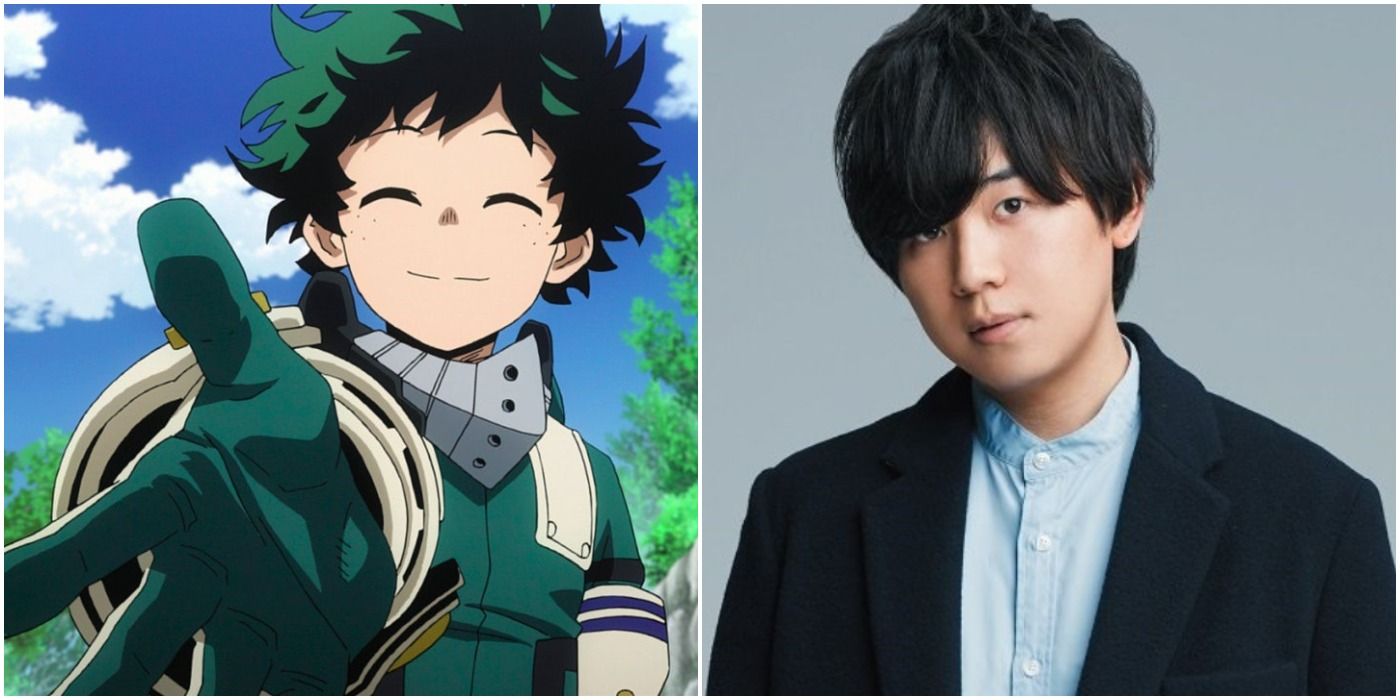
Rebuilding trust after a public failure requires a deliberate, long-term strategy. Here’s how this situation could have been handled better:
- Private reconciliation first: Reached out to his partner before going public. Let her decide whether to support a statement.
- Short, direct statement: Avoided over-explaining. Example: “I cheated. I lied. I am solely responsible. I am seeking help.”
- Stepped back from content: Paused streaming and public appearances for at least 60–90 days to reflect and act, not perform.
- Transparent accountability plan: Shared (without oversharing) that he was in therapy, attending support groups, or engaging in restorative practices.
- No monetization during crisis: Refrained from using the moment to drive views, subs, or merch sales.
Instead, the apology became content—a video that boosted watch time while damaging real relationships.
The Bigger Picture: Authenticity in the Age of Personal Branding
This scandal isn’t just about one man’s mistake. It reflects a broader tension in online culture: when your personal life is part of your brand, every action becomes public material.
Voice actors, especially in anime, walk a tightrope. They’re expected to be passionate, accessible, and emotionally expressive—qualities that make great streamers but can also blur ethical boundaries. The same charisma that makes a character like Mirko feel fierce can, off-mic, enable manipulation if left unchecked.
Fans don’t just consume content. They invest in personas. And when those personas fracture, the fallout isn’t just personal—it’s communal.
The lesson here extends beyond dubs and Discord servers: authenticity can’t be faked. Regret without reform is just another performance.
Moving Forward: What Fans and Creators Should Learn
For fans, this moment is a reminder to engage critically. Support creators, but don’t romanticize them. Question inconsistency. Protect emotional boundaries.
For creators, especially those in voice acting and streaming, the message is clear: your audience sees more than you think. Integrity isn’t just what you say on mic—it’s what you do when the stream ends.
And for the actor at the center of this storm? Redemption is possible—but only if he stops speaking to cameras and starts listening to the people he hurt.
FAQ
Did the voice actor lose his role in My Hero Academia? As of now, there’s no official confirmation that he’s been recast. Production companies rarely comment on talent changes unless necessary, but fan speculation remains high.
Has his girlfriend spoken publicly? Yes. She shared a brief statement on Instagram Stories confirming the affair and expressing frustration over the public apology, saying, “I didn’t deserve to find out online.”
Are fans boycotting My Hero Academia because of this? Not at scale. Most fans separate the show from the individual, though some have pledged to skip dubbed versions until further notice.
Has the streaming platform taken action? No bans or strikes have been issued. Twitch does not typically penalize users for off-platform personal conduct unless it violates community guidelines.
Could this affect future voice acting jobs? Possibly. While not blacklisted, industry insiders report that some studios are hesitant to hire him for new projects requiring public appearances.
What was the name of the apology video? It was titled “I Need to Be Honest With You,” later made unlisted after backlash.
Is he still streaming? Yes, though his viewership has dropped by over 60%, and several sponsors have quietly removed collaborations.
FAQ
What should you look for in My Hero Academia Voice Actor’s Apology Sparks Backlash? Focus on relevance, practical value, and how well the solution matches real user intent.
Is My Hero Academia Voice Actor’s Apology Sparks Backlash suitable for beginners? That depends on the workflow, but a clear step-by-step approach usually makes it easier to start.
How do you compare options around My Hero Academia Voice Actor’s Apology Sparks Backlash? Compare features, trust signals, limitations, pricing, and ease of implementation.
What mistakes should you avoid? Avoid generic choices, weak validation, and decisions based only on marketing claims.
What is the next best step? Shortlist the most relevant options, validate them quickly, and refine from real-world results.